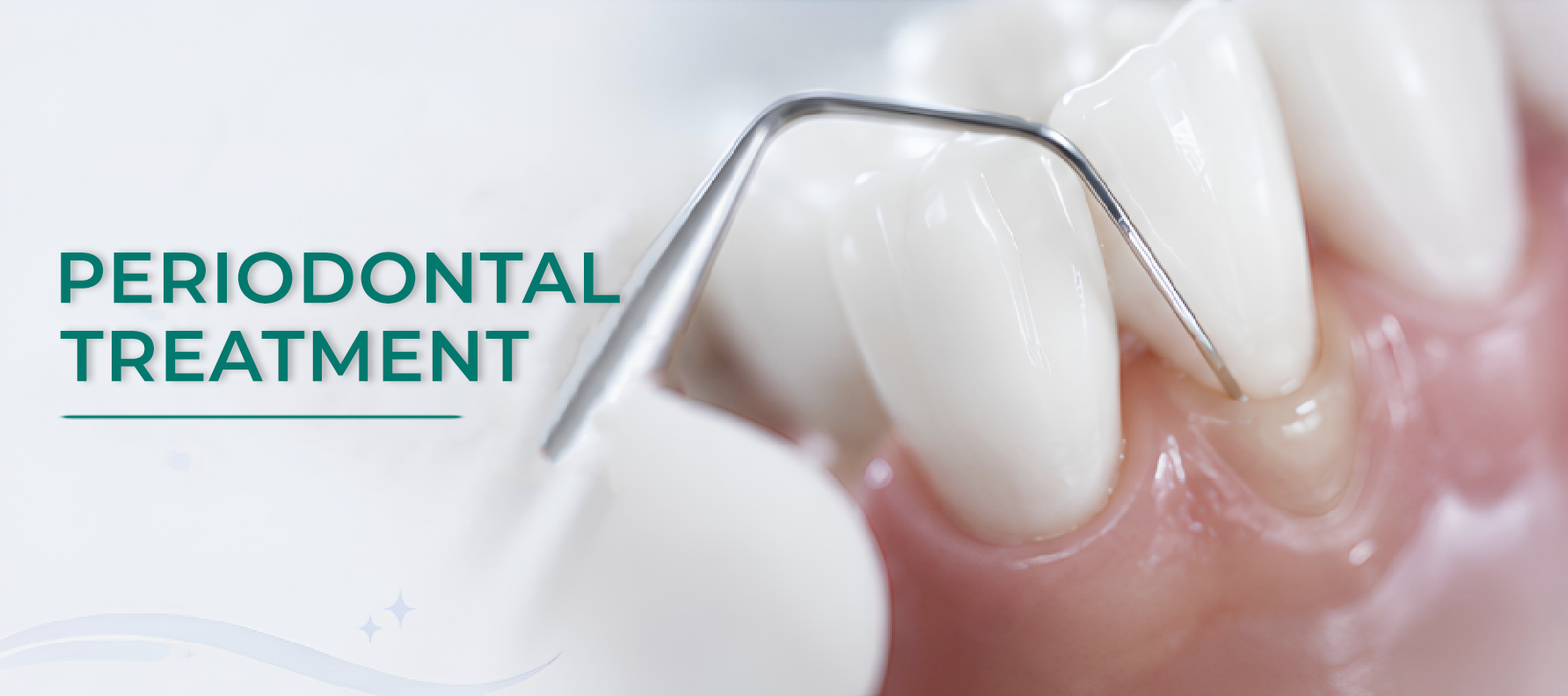
Periodontal Treatment hero banner

Periodontal Disease Treatment – Gum Treatment

Protecting Your Smile from the Inside Out

Gum disease affects the gums and the tissues that support your teeth. It can begin as gingivitis, where the gums become red, swollen or bleed easily. If it progresses to periodontitis, it can affect the supporting tissues and bone around the teeth and may contribute to tooth loosening or tooth loss.

Regular dental examinations can help identify signs of gum disease and allow your dentist to recommend appropriate care based on your individual needs.
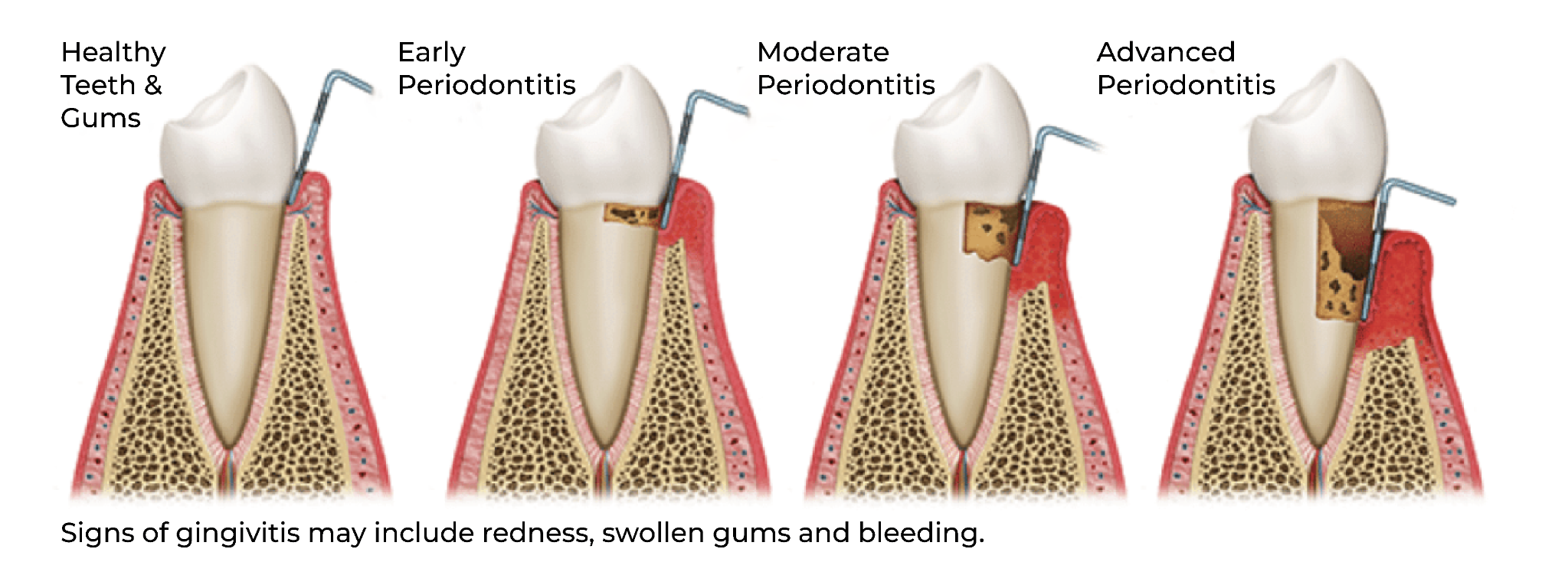
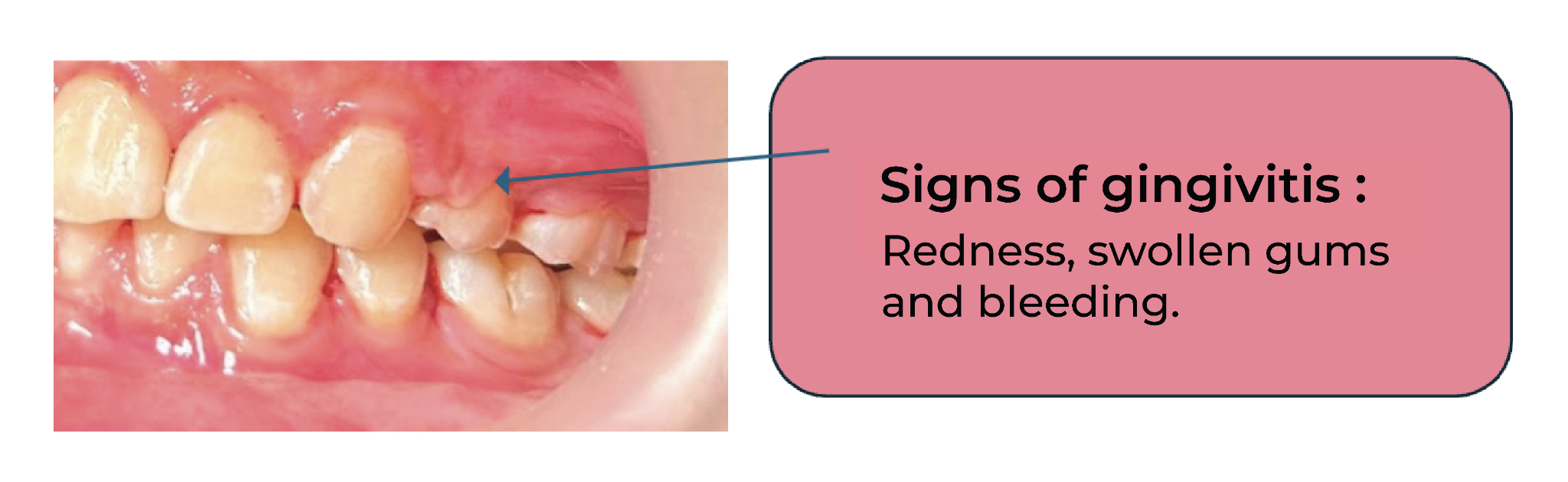
Illustration showing healthy gums and stages of periodontitis from early to advanced
Illustration of healthy gums and the progression from early to advanced periodontitis.

What Are the Signs of Gum Disease?

Changes in the gums or teeth may indicate that a dental assessment is needed.

Common Signs

  • Red, swollen or bleeding gums
  • Gum recession
  • Persistent bad breath
  • Loose teeth
  • Changes in the way your teeth come together
  • Changes in the fit of dentures

Some people may have few noticeable symptoms, particularly in the earlier stages.

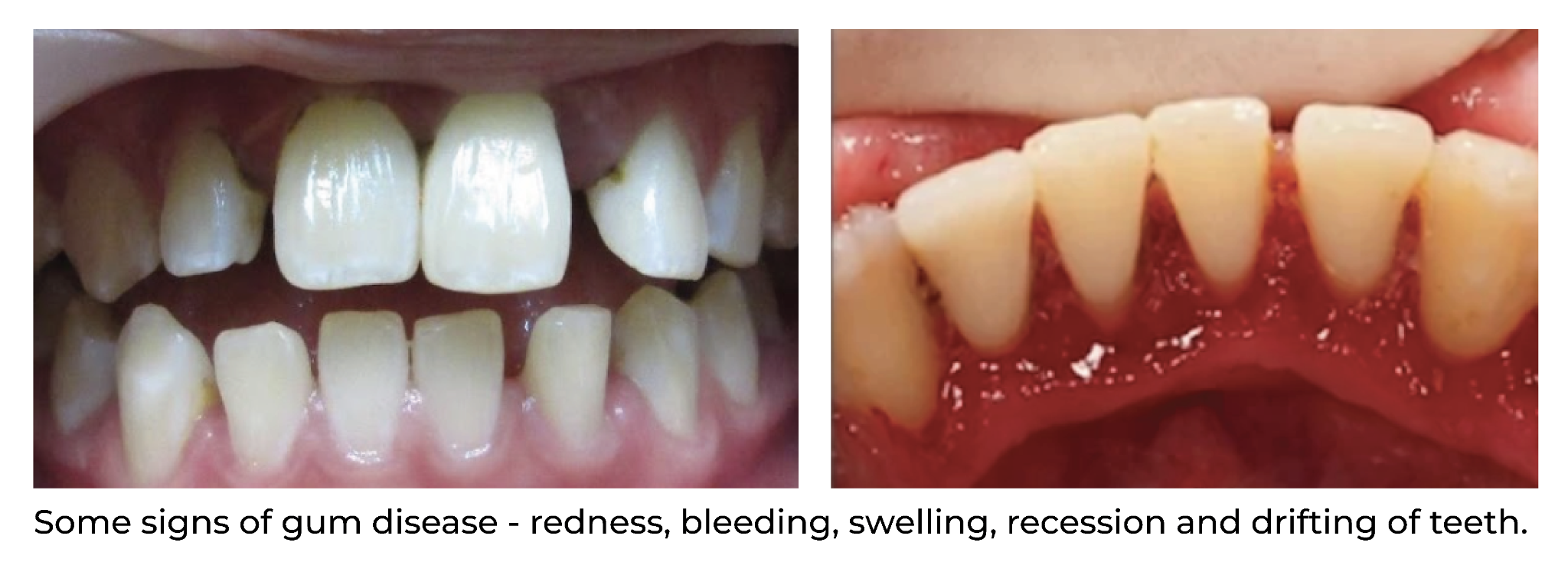
Clinical example showing redness, swelling and bleeding associated with gingivitis
Clinical examples of gum disease including recession, inflammation and drifting of teeth

How Is Gum Disease Assessed?

A periodontal assessment helps your dentist understand the condition of your gums and supporting tissues.

Your dentist will examine your teeth and gums for signs of inflammation, bleeding, gum recession and periodontal pockets. Dental X-rays may also be recommended to assess the supporting bone and other structures.

If you have gum disease, your dentist will discuss the findings with you and recommend treatment based on your individual needs.

Treatment for Periodontal Disease

Treatment depends on the severity of the condition and your individual clinical needs.

Professional Cleaning

Scaling and root surface cleaning may be recommended to remove plaque and tartar from the teeth, including areas below the gum line where appropriate.

Oral Hygiene Advice

Your dental team can provide personalised advice on brushing, cleaning between your teeth and caring for your gums at home.

Medications

In selected cases, antibiotics or other medication may be considered as part of periodontal treatment, depending on your clinical condition.

Periodontal Surgery

For some patients with more advanced periodontal disease, surgical treatment may be considered. The type of procedure will depend on the condition and extent of the disease.

Where appropriate, you may be assessed or treated by our registered dental specialist in periodontology, who focuses on the gums and supporting structures of the teeth.

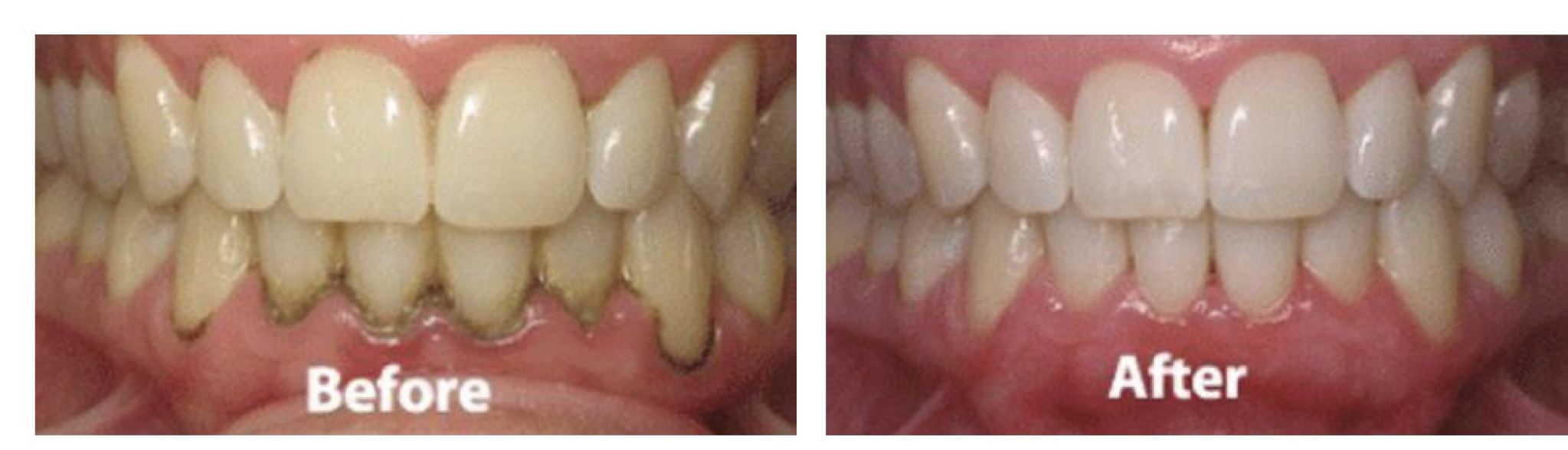
Before and after clinical photographs related to periodontal gum treatment
Clinical appearance can vary between patients. Your dentist will discuss expected treatment goals based on your condition.

Ongoing Care and Maintenance

Periodontal care may involve regular monitoring and maintenance after initial treatment.

Managing periodontal disease may involve ongoing care after the initial treatment.

Your dentist may recommend follow-up examinations and professional cleaning at intervals based on your individual oral health needs. You will also be advised on maintaining good oral hygiene at home.

The aim of ongoing care is to monitor your gum health and help manage the condition over time.

If you have concerns about your gum health, contact Tooth Angels by phone or WhatsApp to arrange an appointment. Your dentist can assess your condition and discuss suitable treatment options based on your individual needs.

Concerned about bleeding gums, gum swelling, recession or loose teeth?

Book an appointment