
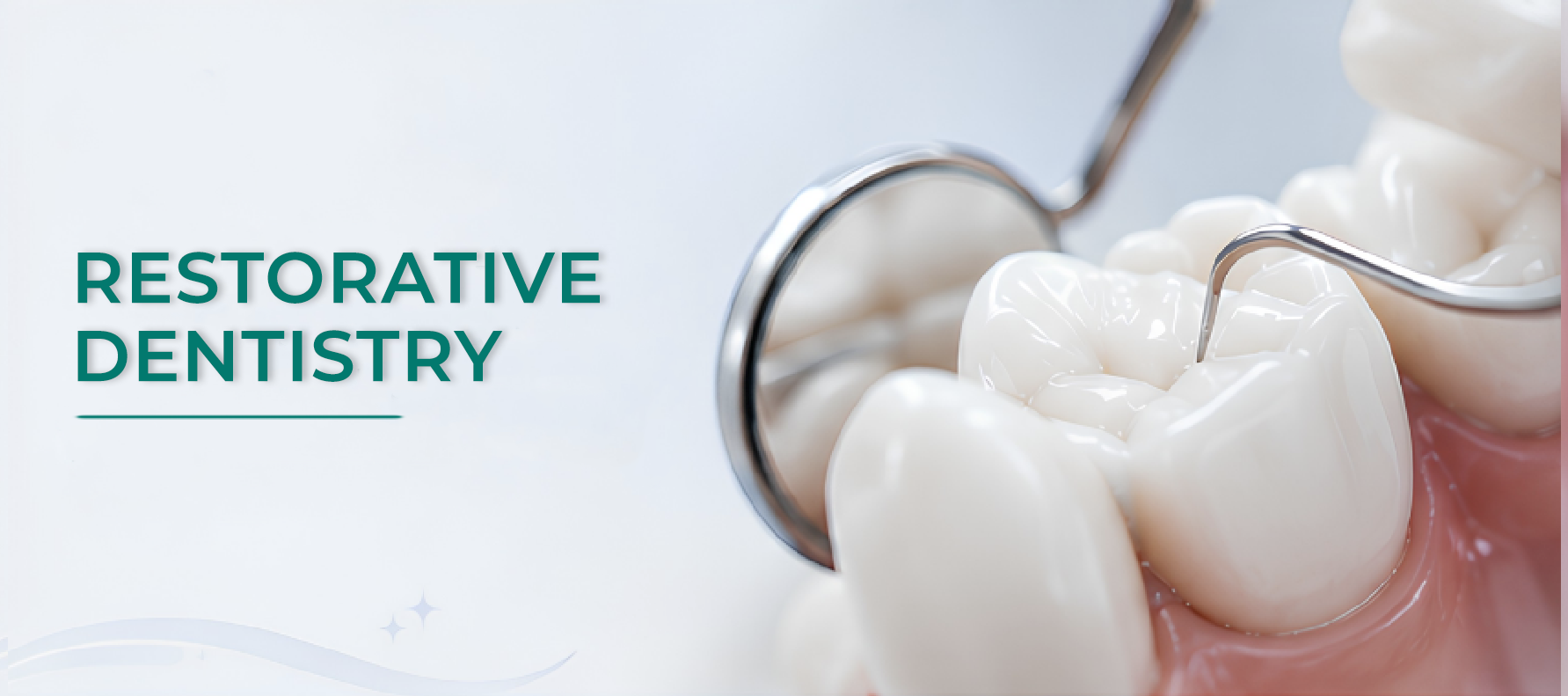
Restorative Dentistry hero banner
Root canal treatment

Root Canal Treatment

Management of Infection or Inflammation Within a Tooth

Root canal treatment is a dental procedure used to treat infection or inflammation affecting the dental pulp, the soft tissue inside a tooth.

The aim of treatment is to remove the affected pulp tissue, clean and disinfect the root canal system, and seal the tooth to help manage the infection and preserve the natural tooth where possible.

What Is Root Canal Treatment?

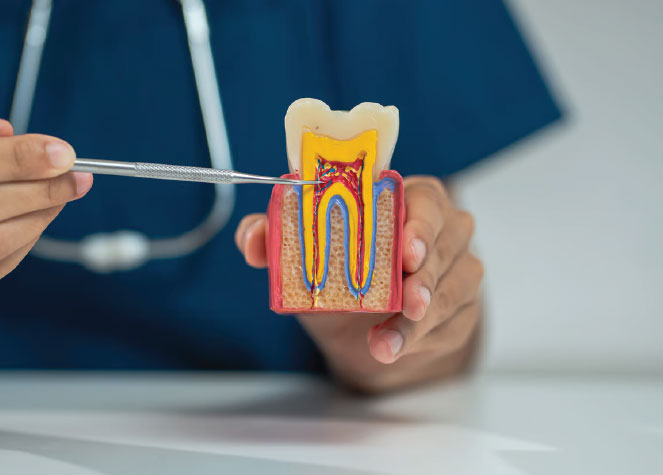
Inside each tooth is a soft tissue called the dental pulp, which contains nerves and blood vessels. The pulp can become inflamed or infected for several reasons, including deep tooth decay, cracks, trauma or repeated dental procedures.

When the pulp is significantly inflamed or infected and cannot recover, root canal treatment may be recommended.

During root canal treatment, the affected pulp tissue is removed. The root canal system is then cleaned, disinfected and sealed to help prevent bacteria from entering the space again.

Your dentist will carry out a clinical examination and may recommend dental X-rays or other assessments to determine whether root canal treatment is appropriate.

What Does Root Canal Treatment Involve?

Root canal treatment may be completed over one or more visits, depending on the condition of the tooth and the complexity of the treatment.

During the procedure:

  • Local anaesthesia is used to numb the tooth and surrounding area.
  • An opening is made in the tooth to access the pulp chamber.
  • The affected pulp tissue is removed.
  • The root canals are cleaned, disinfected and shaped.
  • The canals are filled and sealed.

A temporary filling may be placed if further treatment is required at a subsequent visit. The tooth will then usually require a permanent restoration, such as a filling or crown, depending on the condition, location and amount of remaining tooth structure.

Restoration After Root Canal Treatment

Teeth that have undergone root canal treatment may be more susceptible to fracture. A permanent restoration helps protect the tooth and restore function. The type of restoration recommended will depend on clinical factors and will be discussed during consultation.

Aftercare and Recovery

Some discomfort or sensitivity may occur for a short period following root canal treatment. This usually settles as the tooth and surrounding tissues recover.

Your dentist will provide aftercare instructions and may recommend follow-up appointments where appropriate.

If you experience significant or worsening pain, swelling or other concerns following treatment, contact your dental clinic for advice.

Can a Tooth Always Be Saved With Root Canal Treatment?

Root canal treatment is intended to preserve a natural tooth where possible, but it may not be suitable for every tooth.

The treatment options will depend on factors such as the condition of the tooth, the amount of remaining tooth structure, the surrounding tissues and your overall dental needs. Your dentist will assess the tooth and discuss the available options with you.

If you have symptoms that may indicate an infection or have been advised that root canal treatment may be required, a dental consultation is recommended. Your dentist can assess your condition and discuss suitable treatment options based on your individual needs.

Contact us via phone or WhatsApp to arrange an appointment.

Book an appointment
Dental crowns and bridges

Crowns and Bridges

Restore Strength and Function: Rebuild Your Smile with Crowns and Bridges

When teeth are damaged, weakened, or missing, dental crowns and bridges can help restore both function and appearance. These restorative solutions are designed to protect compromised teeth, replace missing ones, and support long-term oral health.

What Are Dental Crowns?

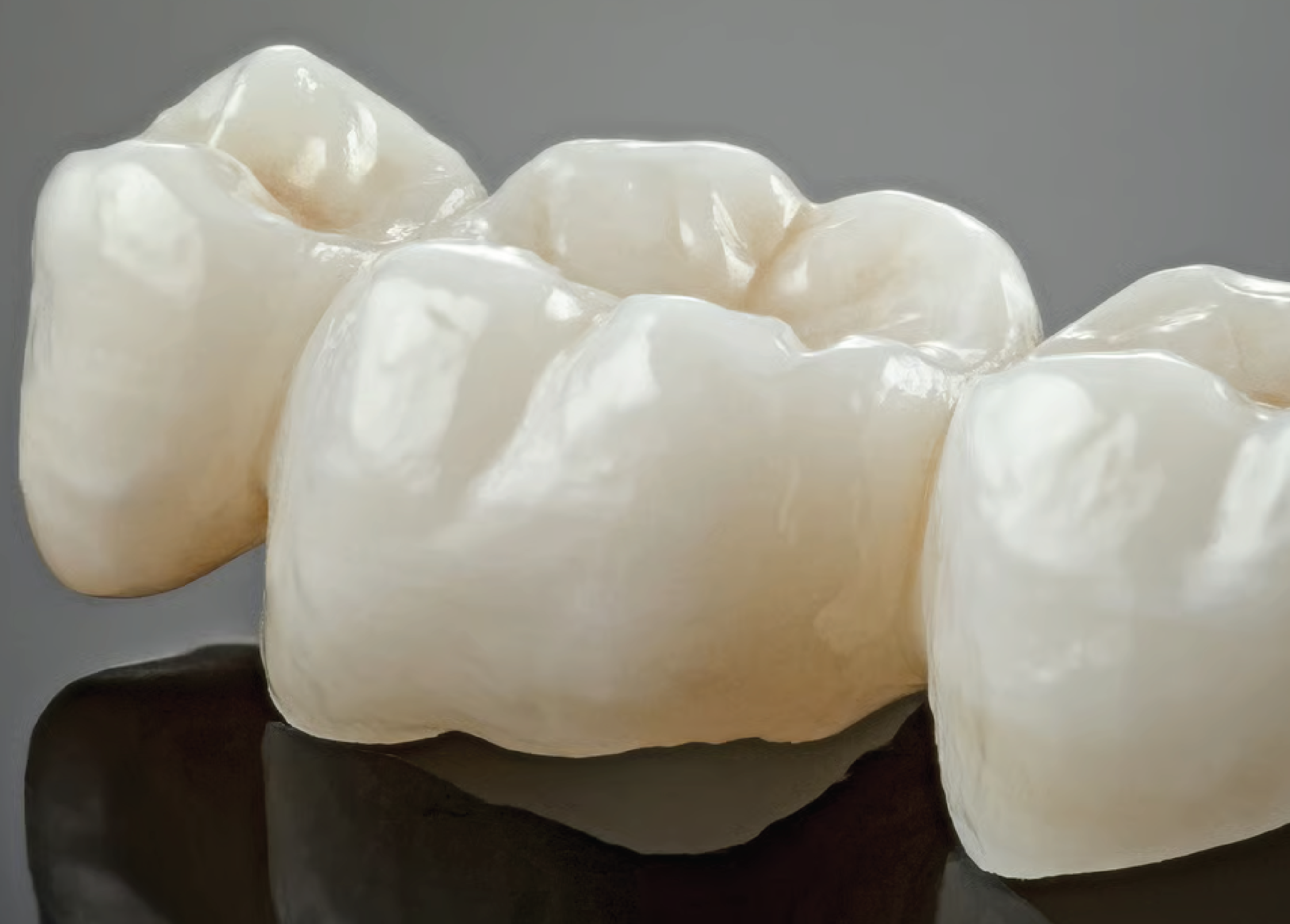
A dental crown is a custom-made cap that fully covers a tooth above the gum line. Crowns are used to restore the strength, shape, size, and appearance of teeth that are cracked, heavily filled, worn down, or weakened after root canal treatment.

By encasing the entire tooth, crowns provide durable protection while blending naturally with surrounding teeth.

What Are Dental Bridges?

A dental bridge is used to replace one or more missing teeth. It consists of artificial teeth anchored to neighbouring natural teeth or crowns. Bridges help restore chewing function, improve speech, and prevent adjacent teeth from shifting into the empty space.

Types of Crowns and Bridges

Crowns and bridges can be made from a range of materials, including porcelain, ceramic, metal, porcelain-fused-to-metal, or zirconia. The choice of material depends on factors such as tooth location, bite forces, aesthetic requirements, and individual oral health needs.

Crowns and Bridges vs Other Restorative Options

Crowns are often recommended when a tooth has extensive decay, large fillings, or structural damage that cannot be adequately restored with a filling or veneer. They offer greater strength and longevity by fully covering the tooth.

Bridges provide a fixed solution for replacing missing teeth and are an alternative to removable dentures or dental implants in suitable cases. While bridges rely on neighbouring teeth for support, they can be an effective and predictable option when implants are not indicated or preferred.

The most appropriate treatment depends on the condition of the teeth, bite relationship, oral hygiene, and long-term goals.

If you are considering dental crowns or bridges, a consultation with a qualified dentist is essential. Our dentists will assess your oral health and discuss the most suitable treatment options tailored to your needs.

Contact us via phone or WhatsApp to schedule your appointment. We look forward to helping you restore a strong, confident smile.

Book an appointment
Dentures

Dentures

Custom Dentures Designed for Comfort, Function, and a Natural Appearance

Our clinic provides high-quality, custom-made dentures tailored to your individual needs. Each denture is carefully designed to ensure a comfortable fit, a stable bite, and a natural-looking appearance. We pay close attention to detail throughout the process to help patients achieve both functional comfort and aesthetic confidence.

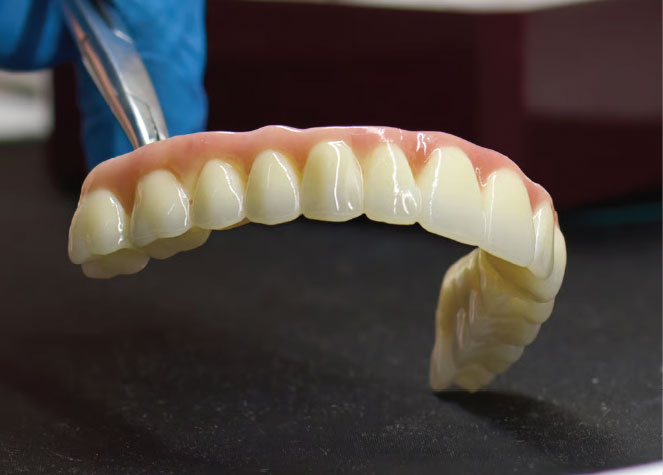
We offer a range of denture solutions, including full dentures, partial dentures, flexible no-metal partials, implant-supported dentures, and immediate dentures.

Types of Dentures We Offer

Full Dentures

Full dentures are used to replace an entire arch of missing teeth. Our fully customised dentures are designed to restore function and appearance while maintaining a natural, balanced smile.

Partial Dentures

Partial dentures are suitable for replacing multiple missing teeth within an arch. We provide both traditional partial dentures with metal clasps and no-metal partial options, depending on clinical requirements and aesthetic preferences.

Flexible No-Metal Partials

Flexible partial dentures are made without metal components and from durable, lightweight materials. They offer improved comfort and aesthetics, with thin gum-coloured bases that blend naturally with surrounding gum tissues.

Implant-Supported Dentures

Implant-supported dentures are stabilised using dental implants and may be removable or fixed in place. This option can significantly improve denture stability and chewing efficiency compared to conventional dentures, for suitable candidates.

What Is an Immediate Denture?

An immediate denture is a denture that is placed on the same day that natural teeth are removed. It allows patients to maintain function and appearance immediately after tooth extraction, without a period of being without teeth.

Immediate dentures are typically designed in advance, based on pre-extraction records, and are worn while the gums and bone heal.

Benefits of Immediate Dentures

  • Restores appearance immediately after tooth removal
  • Allows basic chewing and speech during the healing period
  • Acts as a protective dressing over extraction sites
  • Helps patients adapt to wearing dentures early

Limitations of Immediate Dentures

  • As the gums heal and shrink, the fit of the immediate denture may change
  • Relining or adjustment is often required during the healing phase
  • A final denture may be recommended once healing is complete for optimal fit and comfort

If you are considering dentures, a professional consultation is essential to determine the most suitable option for your needs. Our dentists will assess your oral condition and discuss whether an immediate or conventional denture is appropriate for you.

Contact us via phone or WhatsApp to schedule your appointment. We look forward to helping you restore a comfortable, confident smile.

Book an appointment